

 Myopia management
 Dry Eye Treatment
 Shop Our Frames
Blog:How Much Does an Eye Exam Really Cost in 2026?
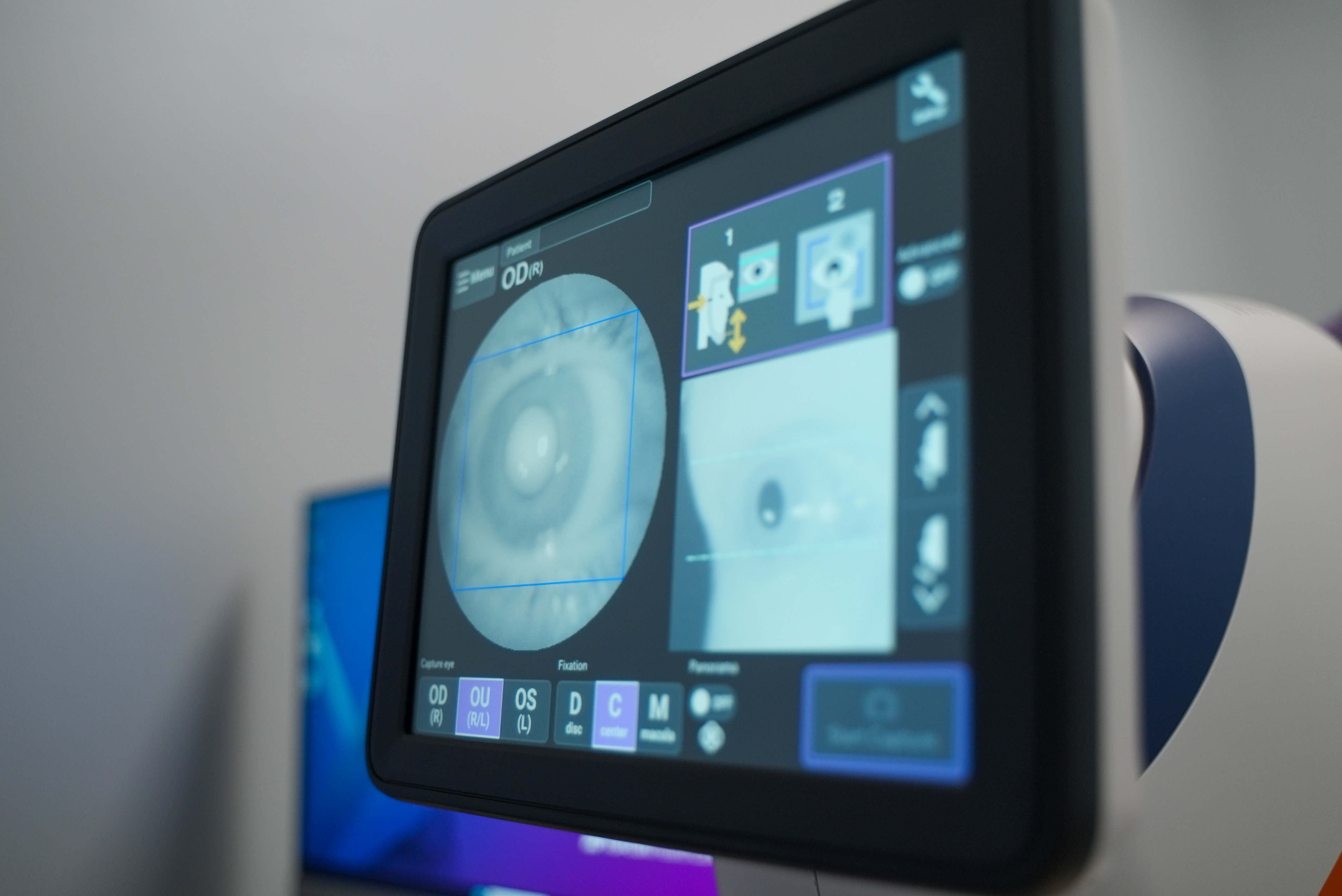
Eye exam costs in Houston vary depending on the exam type, added testing, and whether you have insurance coverage. Having a clear idea of what drives pricing helps you prepare for the cost of your vision exam.
In this article, you'll learn about the average eye exam costs, factors that could affect the price during your visit, and how to save money on vision care, even if you're uninsured.
Quick Summary
- Eye care exam costs vary based on exam type, insurance coverage, and any additional testing required during your visit.
- Vision insurance typically covers routine eye exams, while health insurance applies to medical and diabetic exams in Houston.
- Knowing whether your visit is routine or medical helps minimize unexpected out-of-pocket costs.
- Advanced technology, specialized testing, and contact lens fittings can influence total exam costs.
- TSO Vision Plan offers a 30% discount on routine vision exams, alongside significant savings on glasses and contact lenses, making quality eye care more affordable for every patient.
How Much Does a Comprehensive Eye Exam Cost?
A standard comprehensive eye care exam costs $149 without vision insurance. However, if you are enrolled in the TSO Vision Plan, you receive an exclusive 30% discount on routine vision exams, making preventive eye care significantly more accessible.
For clinical or diagnostic evaluations, medical exams start at $125 out-of-pocket.
If you have vision insurance, your out-of-pocket cost for an eye exam is typically low. Most vision plans require a copay between $10 and $40 for a comprehensive eye exam in Houston, and some plans may cover the exam in full, resulting in no cost at the visit.
The exact amount you pay depends on your specific plan and whether the provider is in-network, so it's always smart to review your coverage before your appointment.
What Factors Affect Eye Exam Cost?
Several variables influence what you ultimately pay for an eye care exam in the Houston area:
- Insurance Plan Type: Vision insurance covers routine check-ups. Health insurance covers medical issues like dry eyes, pink eye, and diabetic eye exams, as well as testing for conditions like glaucoma and cataracts.
- Copay Structure: Your specific medical insurance plan's copay and deductible amounts.
- Diagnostic Technology: Retinal imaging, Optical Coherence Tomography (OCT) scans, and specialized testing may have additional fees.
- Contact Lens Fitting: A contact lens fitting is an extra cost and not part of a routine comprehensive eye exam. It's performed during your exam but requires additional tests and measurements.
- Specialized Services: Myopia management programs, dry-eye treatments such as Intense Pulsed Light (IPL) and Radio Frequency (RF) are not covered by insurance.
- Out-of-Network vs. In-Network: Choosing in-network providers keeps costs lower.
- New vs. Returning Patient: New patients typically pay more than returning patients.
Does Health Insurance cover a Medical Eye Exam?
Medical eye exam in Houston are typically covered by health insurance when they are medically necessary for the diagnosis, treatment, and management of the following eye conditions or diseases, such as:
- Eye infections
- Eye allergies
- Eye injuries
- Dry eyes
- Floaters
- Cataracts
- Glaucoma
- Macular degeneration
- Retinal detachment
- Eye cancer
- Vision loss (vision loss due to cataracts, diabetes, glaucoma, or other medical issues are NOT covered by vision insurance)
- Eye issues resulting from systemic diseases, like diabetes or hypertension
Other medical eye problems
On the other hand, routine evaluations, such as refractions or contact lens fittings, are not covered and may result in additional out-of-pocket costs.
What is the Difference Between Routine and Medical Eye Exams?
A routine eye exam, also known as a vision exam, is intended for patients without known eye disease or symptoms. It tests for nearsightedness, farsightedness, astigmatism, and prescribing glasses or contact lenses while screening for obvious abnormalities and overall eye health.
Chain retailers like Costco, Walmart, and Sam’s Club typically provide this type of quick eye exam.
Meanwhile, medical eye exams address symptoms, diagnosed eye conditions, or systemic health concerns that need clinical evaluation. These exams involve a more in-depth assessment and often include pupil dilation or advanced imaging to view the retina and optic nerve.
TSO Briargrove offers a comprehensive eye exam using state-of-the-art diagnostic technology, performed by experts for thorough, personalized care.
What are the Different Types of Eye Exams?
The following are the different types of eye exams commonly available:
- Routine Eye Exams: Routine eye exams usually cost less than comprehensive exams, which require more specialized testing. This eye exam checks your vision for refractive eye problems such as myopia (nearsightedness), hyperopia (farsightedness), astigmatism, or presbyopia.
- Comprehensive Eye Exams: Vision insurance can cover the full evaluation of your eyesight and overall eye health, which requires specialized testing to detect early signs of cataracts, glaucoma, retinal disorders, and diabetic eye problems.
- Vision Screening: These quick eye tests that check for nearsightedness, farsightedness, astigmatism, and other common eye problems can also affect the cost of your visit.
- Retinal Imaging or Pupil Dilation: These non-invasive and painless procedures also incur an additional charge.
- Contact Lens Exams: If you’re considering contact lens exams in Houston or already wear them, there is usually an additional charge for an evaluation and fitting.
- Optical Customizations: If you wear eyeglasses, add-ons like progressive lenses, anti-reflective coating, tinting, and blue light protection may cost extra.
How to Save on Eye Exam Costs
While eye exams are essential for maintaining good vision and overall health, the costs can add up over time. Here are some tips to help you save money on your next eye exam:
- Clarify Inclusions Before Booking: Verify the included tests and any separately billed services before your appointment to avoid unexpected fees.
- Use Vision Insurance Strategically: Understand your company, what tests are covered, and which services may cost extra. Contact your insurance provider if your policy is unclear.
- Stay In-Network: Choosing an in-network provider helps you maximize insurance benefits and avoid higher out-of-pocket fees.
- Use HSA or FSA Funds: Use your Health Savings Account (HSA) or Flexible Spending Account (FSA) for vision expenses, including comprehensive eye exams, prescription eyewear, and certain medically necessary eye procedures.
- Ask About Discounts or Promotions: Some practices offer new-patient discounts, return-visit savings, or bundled exam and eyewear pricing.
- Schedule Routine Annual Exams: Preventive exams are often covered by insurance and help catch issues early, reducing the risk of more costly follow-up care.
How Often Should You Have Your Eyes Checked?
How often you need an exam depends largely on your age and overall eye health, as outlined below. Here's a general guideline of how often you should have your eyes checked:
Children
Children 5 and up should have a comprehensive eye exam by an optometrist or ophthalmologist annually to catch eye issues early and ensure proper eye care.
Routine screenings should take place at critical developmental periods, from infancy through early childhood and before school begins. These checks help determine whether a full eye exam with an eye doctor is needed.Adults
An annual comprehensive eye exam is recommended at all ages to support clear vision and overall eye health.
Regular yearly exams help monitor changes over time and allow eye care professionals to detect early signs of vision issues or eye disease, including age-related changes that often begin around age 40.
Seniors
Adults aged 65 and older should schedule an eye exam annually.
When age-related eye conditions are present, these visits are classified as medical eye exams rather than routine checkups to ensure ongoing monitoring and prompt treatment of conditions such as cataracts, glaucoma, and macular degeneration.
Get Affordable Eye Exams in Houston
Eye exam costs vary based on several factors, such as the type of exam, insurance coverage, and your specific medical needs. Understanding these factors makes it easier to plan and avoid unexpected expenses.
Families and professionals looking for the best eye doctor in Houston value the personalized approach our experts provide. We take the time to listen to and address all your vision concerns, offer options, and help you maximize your benefits.
Ready to schedule your next eye exam? Schedule your appointment today.
FAQs
How Long Does an Eye Exam Take?
A typical eye exam takes 30 to 60 minutes. Standard comprehensive exams usually run about 30 minutes, while first-time visits, contact lens fittings, or exams requiring specialized testing, such as pupil dilation or disease screening, can take up to an hour or longer.
What are the Warning Signs I Need an Eye Exam?
Some warning signs that may indicate you need an eye exam include:
- Frequent Headaches: Often linked to eye strain or uncorrected vision, especially after screen use or reading.
- Difficulty Seeing at Night: A problem with glare or low light may point to cataracts or other vision issues.
- Sensitivity to Light: Increased glare sensitivity may result from dry eyes, migraines, or corneal issues.
- Seeing Floaters or Flashes: Sudden changes may signal retinal problems and should be checked promptly.
- Difficulty Reading up Close: Common with age-related presbyopia and may require reading glasses.
What Diseases Can Be Detected in an Eye Exam?
Some of the most common diseases that can be detected in an eye exam include:
- Refractive errors
- Cataracts
- Glaucoma
- Macular degeneration
- Diabetes
- High blood pressure
- Age-related macular degeneration (AMD)
How Much Do Eye Exams Usually Cost?
Eye exams generally cost between $50 and $200 without vision insurance for a standard, comprehensive check-up. With insurance, co-pays typically range from $10 to $40.
How Much Does an Eye Exam Usually Cost With Insurance?
The national average cost of an eye exam in the United States is $25 with vision insurance.
How Much Does an Eye Exam Cost Without Insurance?
The national average cost of an eye exam in the United States is $136 without vision insurance.
Do I Really Need to Get an Eye Exam Every Year?
Most adults should schedule a comprehensive eye exam every year, even if their vision seems perfectly fine.
Like your annual physical catches health issues before symptoms appear, regular eye exams detect eye diseases and vision changes in their earliest stages—often before you notice anything wrong.
Certain factors increase your risk for eye disease and may require annual exams or more frequent monitoring. You should schedule exams more often if:
- You're age 60 or older
- You have a family history of glaucoma, macular degeneration, or other eye diseases
- You've been diagnosed with diabetes, high blood pressure, or autoimmune conditions
- You wear glasses or contact lenses
- You're of African American or Hispanic descent, which carries a higher risk for certain eye conditions
- You have a history of eye surgery, eye injuries, or previous eye damage
- You've experienced vision changes, eye pain, or other concerning symptoms
Are Glasses Covered in Health Insurance?
Standard health insurance generally covers medical diagnoses and treatments for eye conditions, but it typically excludes routine eyeglasses. To get coverage for prescription eyewear, you usually need a separate vision insurance plan.
Quick Links
Helpful Articles
article_category: products
article_category: psychiatry
article_category: faqs
article_category: cats
article_category: general
article_category: services
article_category: technology
article_category: dogs
article_category: restorative
article_category: vision therapy
article_category: contact lenses
article_category: health
article_category: conditions
article_category: eye surgery co-management
article_category: exotic
article_category: cosmetic
article_category: surgical procedures
article_category: aesthetics
article_category: preventative
article_category: ocular disease management
article_category: eyeglasses
article_category: eye health
article_category: large animal
[]
article_category: psychiatry
article_category: faqs
article_category: cats
article_category: general
article_category: services
article_category: technology
article_category: dogs
article_category: restorative
article_category: vision therapy
article_category: contact lenses
article_category: health
article_category: conditions
article_category: eye surgery co-management
article_category: exotic
article_category: cosmetic
article_category: surgical procedures
article_category: aesthetics
article_category: preventative
article_category: ocular disease management
article_category: eyeglasses
article_category: eye health
article_category: large animal
[]
Flowbite is an open-source library of interactive components built on top of Tailwind CSS including buttons, dropdowns, modals, navbars, and more.
Check out this guide to learn how to get started and start developing websites even faster with components on top of Tailwind CSS.

All Eyecare Services
We offer a wide variety of eye care services to the Houston community. Contact us with any questions about our services.

Locate Us
Click here to find us on Google Maps and take the first step toward meeting our team in person—we can't wait to welcome you to our office!

Contact Information
Office Hours
- Monday 9:00am - 6:00pm
- Tuesday 9:00am - 6:00pm
- Wednesday Closed
- Thursday 9:00am - 6:00pm
- Friday 9:00am - 6:00pm
- Saturday 9:00am - 1:00pm
- Sunday Closed
- Monday 9:00am - 6:00pm
- Tuesday 9:00am - 6:00pm
- Wednesday Closed
- Thursday 9:00am - 6:00pm
- Friday 9:00am - 6:00pm
- Saturday
- Sunday Closed
- Monday 8:00am - 5:00pm
- Tuesday
- Wednesday
- Thursday
- Friday
- Saturday
- Sunday
© 2026 Texas State Optical Briargrove. All rights Reserved - Accessibility Statement - Privacy Policy - Sitemap
Managed and Designed by 